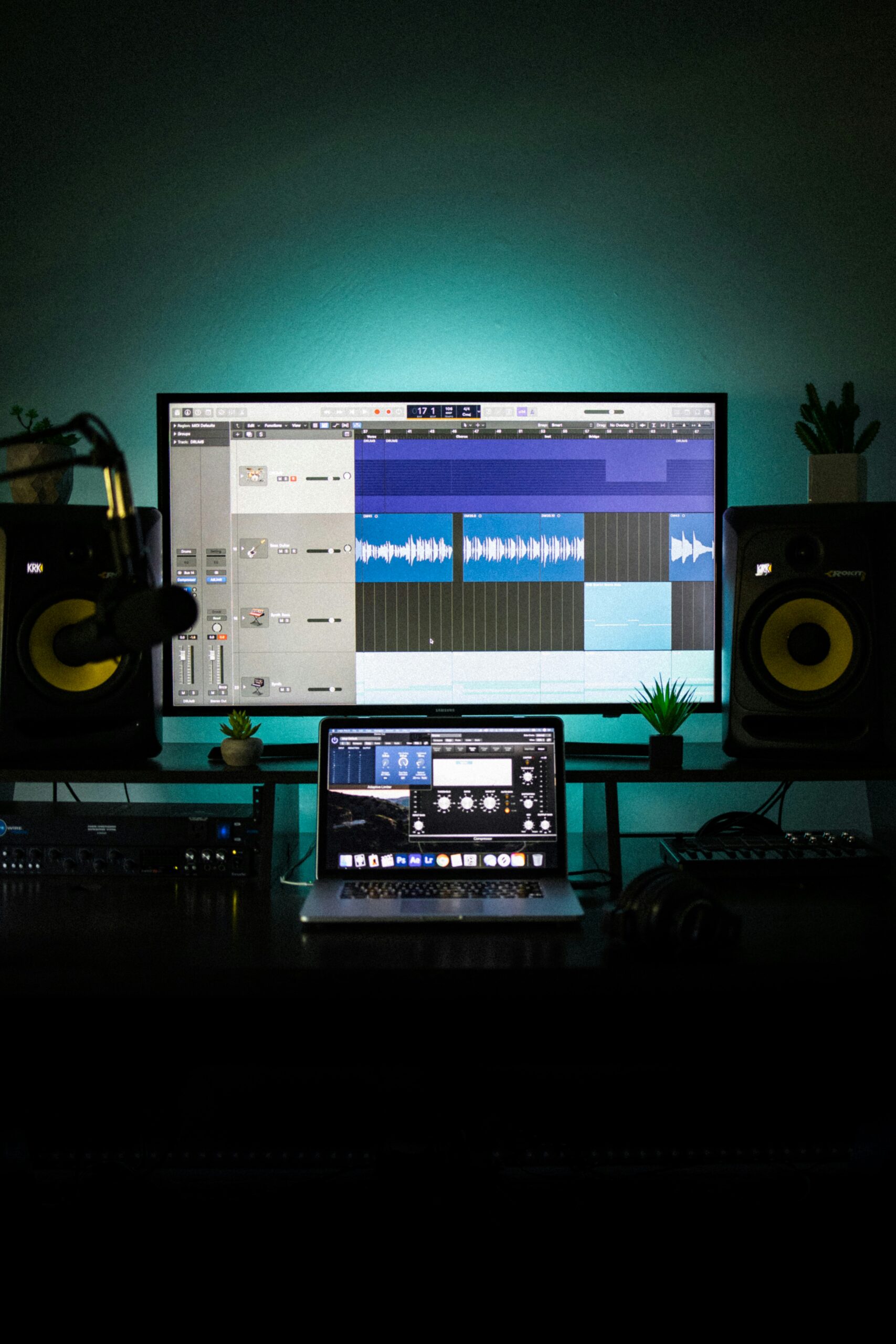
Live sessions: the best way to a high-end voice over
Why you need an Live Session
Direct the performance. Approve it live.
-
Join from anywhere – one secure session link.
-
Capture feedback instantly with your creative team.
-
Leave the session with ready-to-use takes.
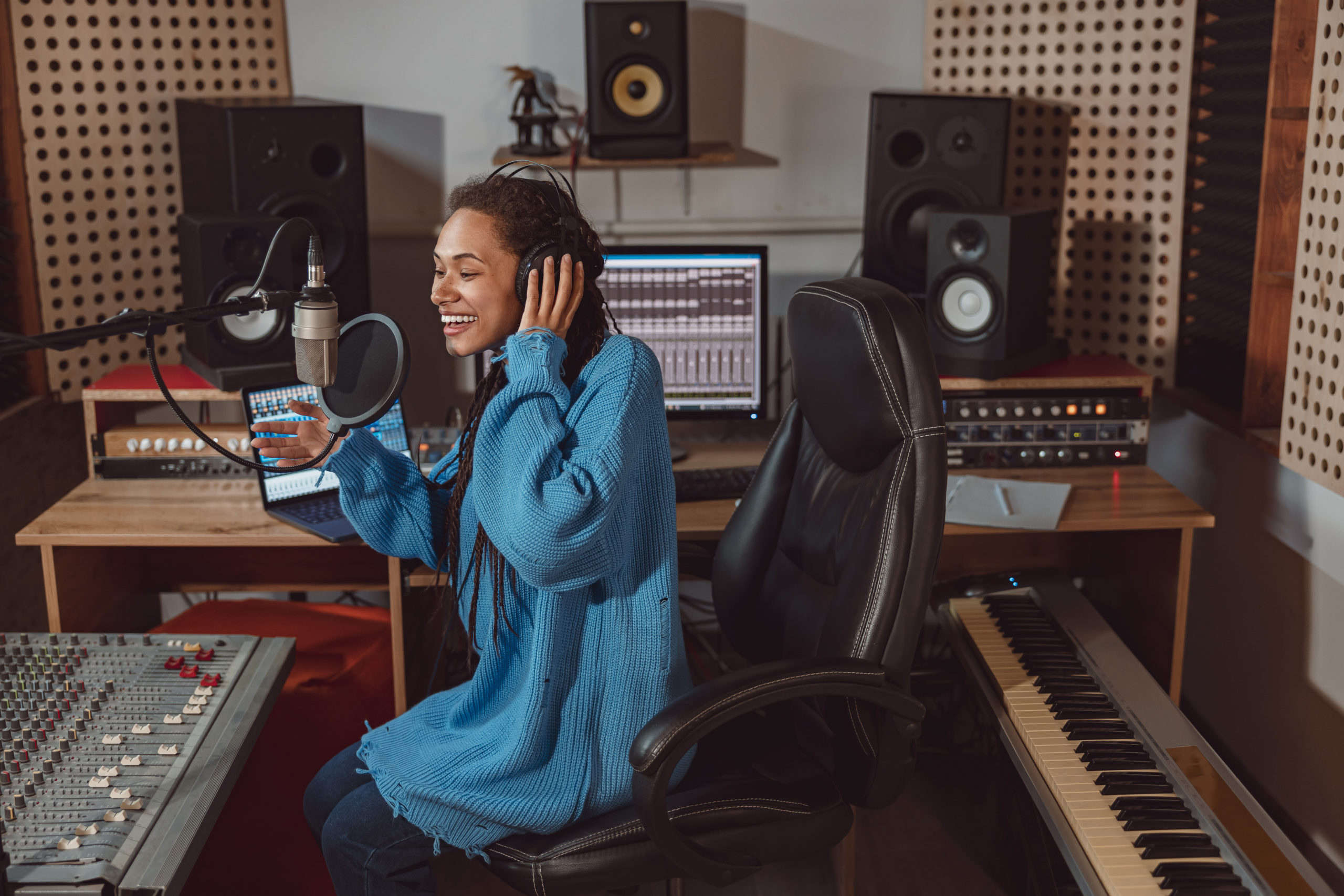
Nuance is discovered while listening, not in email. Live Session saves you from.
-
Retakes across time zones
-
Flat reads that miss the feeling
-
Late-stage feedback loops
Live Session Audio
Direct the voice in real time. Adjust tone, pace, and emphasis as the talent records—ideal when approvals depend on performance, not picture.
– Instant pronunciation fixes and alternates.
– PM runs flow; engineer protects quality.
– Leave with approved selects to finish fast.
Live Session Playback
Stream your cut during the session so reads match picture, timing, and emotion—clients sign off against the actual video.
– Perfect sync and durations on the spot.
– Fewer offline comparisons and delays.
– Multi-market tone alignment in one pass.
Live Session Audio VS Playback
Choose your level of involvement - both give you control and creativity.
| Audio |
Playback |
|
|---|---|---|
| Remote | Yes | Yes |
| Synch on visuals | No | Yes |
| Number of attendees | Unlimited | Unlimited |
| Project Manager & Audio Engineer | Yes | Yes |
Three steps, zero drama
We prep the brief, you direct live, we deliver finished files. Easy as that.
Book
We align talent, script, and availability.
Direct
Join via link; PM + engineer run the session.
Your team can take the lead to fine-tune or even experiment on new ideas
Our sound engineer sits ready to help with playbacks, live mixing and on-site editing.
Deliver
Spec-correct files, on time.
Meet your Live Session team
Let’s run the show

Lisbeth
Jarrod
Senior Post Producer
Marco
Audio Post / Project Manager
Thies
Sales Account Manager / Project ManagerFAQ: Everything you need to know about Live sessions
Three distinct phases, each designed to produce the right result on the day rather than require extensive revision afterward.
Talent briefing (pre-session): Before any recording begins, we go through the script in detail with the talent. Campaign context, intended tone, pacing requirements, brand-specific pronunciations, cultural nuances, do’s and don’ts, alternative takes we want to capture. The talent arrives prepared — not discovering the brief in real time during recording.
Live direction (during session): Our session director runs the recording. Nuance adjustments, timing corrections, translation of stakeholder feedback into clear instruction the performer can actually act on. When a client says “it sounds too formal,” the director converts that into something the talent understands. You don’t need to know how to direct voice talent. We do.
In-session playback: Takes play back to the client during the session. You’re approving audio in real time. Issues get caught before the session closes — not three days later when you discover the tone wasn’t right.
Yes. Sessions run better when they do — if the input is managed correctly.
The risk with open client sessions: multiple stakeholders giving contradictory real-time feedback directly to the talent. Brand director and creative director with slightly different instincts about tone will give conflicting notes. The talent doesn’t know who to listen to. The session slows down or the performance loses coherence.
Our session director acts as the single point of contact for direction. Stakeholder input comes in, gets synthesised, goes out as one clear instruction to the talent at a time. If the brand director says “too casual” and the creative director says “keep it warm” — those aren’t contradictory. The director holds both and finds the note that satisfies both. Talent gets consistency. Client gets what they want. Session stays on time.
If your team has specific requirements — pronunciations to approve, lines to sign off, brand language they need to hear — having them present is the most efficient way to handle it.
This is exactly what live direction is built to handle.
Timing mismatches are common. Animation and VO run in parallel, and it’s not unusual to arrive at a session with a script that runs 3–4 seconds long for the cut it needs to fit. Session director adjusts pacing in real time, works with the talent on compression, gets the read right within the cut.
Script changes during a session happen on most large campaigns. Legal or brand teams reviewing in parallel, updates coming through mid-production. We re-brief the talent and re-record the affected lines within the existing session where possible. Minimises cost and timeline impact.
Performance issues — talent not connecting with the tone, a line landing wrong repeatedly — get addressed through the direction process. We have a range of techniques for common performance problems. If something is fundamentally not working despite multiple approaches, we discuss alternatives with you rather than running a session indefinitely on a dead end.